It’s two in the afternoon, and every seat along the café wall is taken. The laptop is down to 20 percent, the nearest socket is under someone else’s table, and a client video call starts in ten minutes. For plenty of freelancers in Taipei, that’s an ordinary afternoon. It’s also usually the moment they start looking seriously at a Shared Workspace.
When people compare workspace options, though, most of them look at the monthly fee and stop there. The real cost of a desk sits in the small things around the rent, and that’s where the maths tends to go wrong.
It Starts With a Café Socket
A café looks like the cheapest office in the city. Buy a drink, stay the afternoon. Do that five days a week, two drinks a day, plus the times you can’t get a seat and have to move somewhere else, and both money and time start leaking away.
The bigger problem is what a café can’t give you: a quiet place for a phone call, somewhere presentable to show a client a deck, an address you can put on a business card. Once those needs turn up, “cheap” turns out to be cheap only on the surface.
Flexible Desk or Private Office: What’s the Difference?
For a team of one or two, the case for a Shared Workspace is often less about price than about not being locked into a long lease. Different workspace arrangements offer different benefits depending on budget, privacy requirements, and daily working habits.
Flexible Desk
A flexible desk typically starts from NT$6,000 per person per month, before tax. It provides access to an open-plan working environment with phone booths and quiet zones for focused tasks. Meeting rooms can be booked whenever necessary through available time slots. Another major advantage is the absence of a long-term contract, making this arrangement suitable for freelancers and remote workers who need a professional environment without a permanent commitment.
Private Office
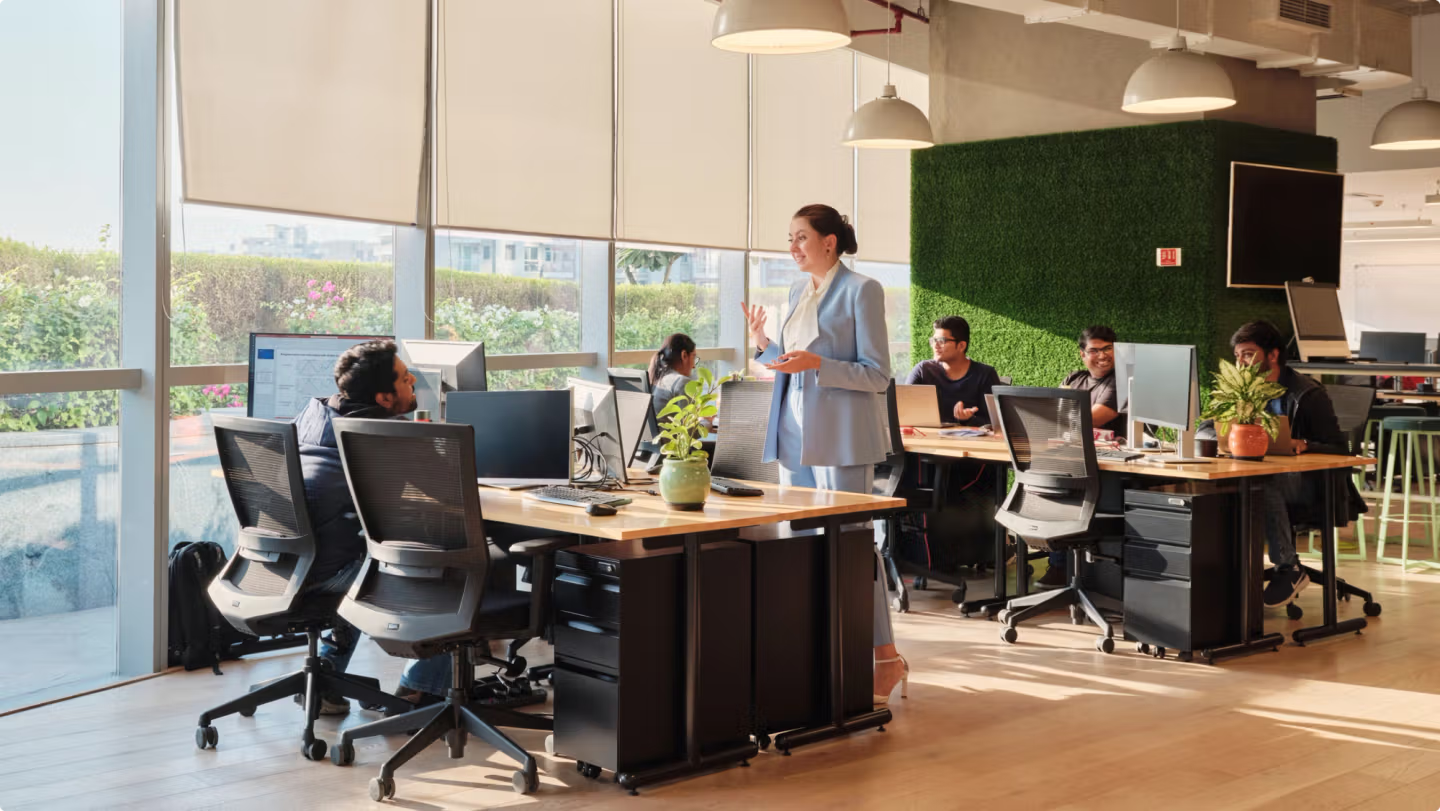
A private office generally starts from NT$8,000 per person per month, before tax. It provides a dedicated, lockable workspace where individuals or small teams can work with greater privacy. Meeting rooms are available through time-based bookings, while the office arrangement can accommodate changes in team size. This option is particularly suitable for small companies handling confidential projects or businesses with a fixed team that requires a consistent working environment.
Working From Home
Working from home involves no monthly office rent, making it an attractive option for professionals managing their initial expenses. However, electricity, internet services, furniture, and equipment remain individual responsibilities. Privacy depends entirely on the available home environment, while professional meetings require finding a suitable external venue. Although this arrangement offers the greatest flexibility, it may not always provide the professional image or separation between personal and working life that growing businesses require. It is particularly useful during early business stages when workloads and schedules remain uneven.
When to Take the Next Step
A few signs are worth watching for. You need a meeting room every week. Clients start asking for your company address. The team grows from one person to two or three. Or you realise you’ve taken more than one call from a stairwell because it was the only quiet spot available.
None of that means signing for a full office straight away. Starting with a flexible desk, adding meeting rooms as needed, and moving to a private space once the team settles is a far safer path than committing to a long lease on day one.
Back at the café, the video call went ahead, with the grinder whirring in the background the whole time. Afterwards, the freelancer opened a calculator. This time the sum wasn’t the cost of drinks. It was how many hours that month had gone into looking for a seat.
一張辦公桌的真實成本
下午兩點,咖啡館靠牆的每個座位都坐滿了人。筆記型電腦的電量只剩20%,最近的插座在別人的桌子底下,十分鐘後就要和客戶進行視訊通話了。對於台北的許多自由工作者來說,這只是一個普通的下午。通常,這也是他們開始認真考慮 的時候。共享工作空間.
然而,當人們比較不同的辦公空間選擇時,大多數人只專注於月租,然後就止步於此。一張辦公桌的真正成本在於租金之外的各種小細節,而這往往是計算出錯的地方。
一切始於咖啡館
咖啡館看起來像是城裡最便宜的辦公室。買杯飲料,待上一整個下午。每週五天,每天兩杯,再加上找不到座位不得不另尋他處的情況,時間和金錢都會悄悄流逝。
更大的問題在於咖啡館無法提供的東西:一個安靜的電話空間,一個可以體面地向客戶展示簡報的地方,一個可以印在名片上的地址。一旦這些需求出現,「便宜」就只是表面上的便宜而已。
靈活辦公桌還是獨立辦公室:有什麼區別?
對於一兩個人的團隊來說,靈活辦公桌的優勢在於 一個 共享工作空間 選擇辦公空間時,重點往往不在於價格,而是是否會被長期租約所束縛。根據預算、隱私需求和日常工作習慣的不同,各類辦公空間方案各有優勢。
彈性工位(靈活辦公桌)
彈性工位的費用通常從每人每月 6,000 台幣(稅前)起。它提供開放式的辦公環境,並配有電話亭和靜音區,方便進行需要高度專注的工作。如有需要,您可以透過預約時段使用會議室。該方案的另一個優點是無需簽署長期合同,非常適合那些既需要專業辦公環境,又不想承擔長期固定承諾的自由工作者或遠距工作者。
獨立辦公室(獨立辦公室)
獨立辦公室的費用通常從每人每月 8,000 台幣(稅前)起。它提供一個專屬且可上鎖的辦公空間,讓個人或小型團隊享有更高的隱私度。會議室可透過預約使用,且辦公空間佈局也能靈活調整,以適應團隊規模的變化。此選項特別適合處理保密專案的小型公司,或是擁有固定團隊且需要穩定辦公室環境的企業。
居家辦公(居家辦公室)
居家辦公無需支付每月辦公室租金,對於需要控制初期開支的專業人士來說,這是一個相當有吸引力的選擇。不過,電費、網路服務、家具及辦公設備等都需要自行負擔。隱私程度完全取決於您家中的環境,而若需進行商務會議,往往需要另尋合適的外部場地。雖然這種方式靈活性最高,但它未必能提供企業發展所需的專業形象,也難以實現個人生活與工作之間的有效界限。在業務起步階段,當工作量和時間安排尚不穩定時,這種方式尤其適用。
何時邁出下一步?
當出現以下跡象時,您或許該考慮做出改變了:您每週都需要使用會議室;客戶開始詢問您的公司地址;團隊規模從一人增加到兩三人;或者,您發現自己不得不躲在樓梯間接聽電話——因為那是周圍唯一安靜的地方。
但這並不意味著您必須立刻去租下一整間辦公室。您可以先從「彈性工位」起步,按需預約會議室;待團隊穩定後再轉入獨立辦公空間。相較於起步之初就簽下長期租約,這種方式顯然更為穩健。回到咖啡館,視訊通話照常進行,背景裡始終伴隨著咖啡研磨機嗡嗡的聲響。通話結束後,這位自由工作者打開了計算器。這次,算出的數字並非飲品的花費,而是當月他為了尋找座位所耗費的小時數。
 我以前也干过这事儿:到处找人帮忙代充,先转钱,再等半天,还得担心对方跑路。明明就是买个会员,硬生生整出了黑市交易的紧张感。尤其是急用的时候,那边说“马上到账”,结果等了两个小时还在“马上”,你这边文档写到一半,gpt